
Charles Spinelli Debunks the Secrets to Creating Employee Benefits Programs That Align with Business Objectives

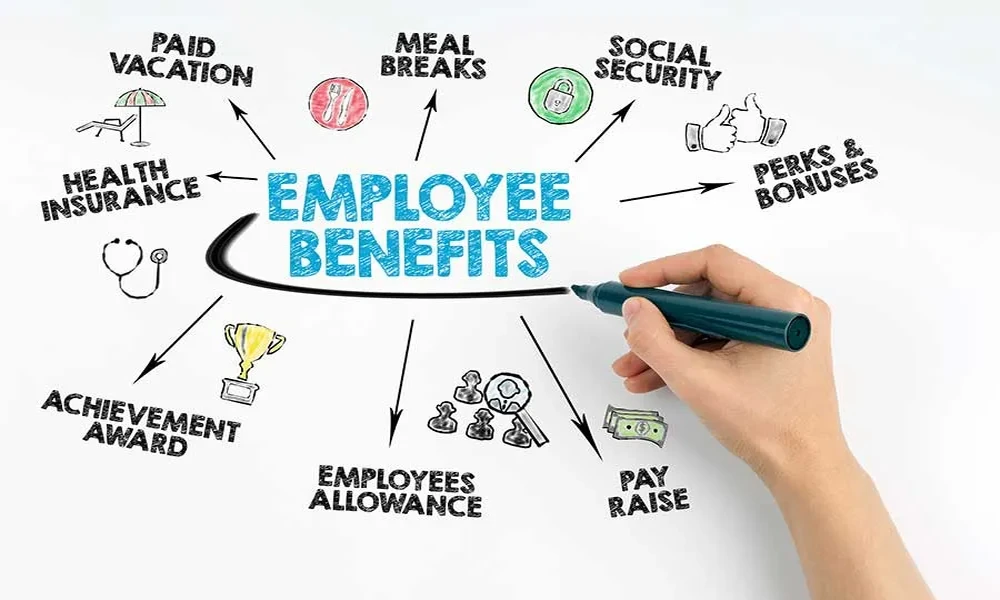
Employee benefits that signify compensation beyond a monthly paycheck or wage have become a staple for modern businesses to attract, engage, and retain talent. Serving as a strategic tool, the initiative supports organizations in improving productivity, staying at a competitive edge, and encouraging employees to collaborate, in the opinion of Charles Spinelli.
When designed with care, employee benefits programs can contribute a lot to organizational sustainability, growth, and success. Spinelli considers that aligning employee benefits strategically is key for organizations to reach their long-term objectives.
Importance of Employee Benefits
Providing employees with a variety of benefits, including paid time off, health insurance, retirement plans, and facilities like flexible working hours, holistic wellness programs, and hybrid/remote work advantages, is the cornerstone of business success. Regardless of a company’s aim to reduce employee turnover, drive industry talent, increase productivity, or strengthen business brand, benefits should be the priority.
For instance, where an organization is interested in reducing staff turnover, it can offer employees full healthcare packages, retirement benefits, and wellness programs. Alternatively, when companies want to attract the younger workforce, offering flexible work schedules, learning and growth programs, and supporting with student loan assistance can be the right choice. Precisely, aligning benefits with business goals is a smart way to ensure that resources are utilized effectively.
Evaluate Employee Needs and Preferences
For a benefits program to be successful, it should focus on what employees really want. To know what employees value, an organization can conduct surveys, seek employee feedback, and examine workforce demographics.
Since different employee demographics have different needs, organizations should offer what each demographic values. For example, young professionals may like career development and flexible scheduling programs, whereas more experienced employees may value retirement programs and family-oriented benefits more.
Focus on Health and Well-Being
According to Charles Spinelli, the majority of employers prioritize employee well-being as a key component for increasing productivity. workplace. Health benefits that promote physical, psychological, and emotional health can boost productivity dramatically.
Health insurance, counseling services, wellness programs, and stress management are proven ways to ensure the well-being of the workforce. A healthy worker is always productive, rarely absent, and able to manage difficult circumstances in the workplace.
Promote Flexibility and Work-Life Balance
Today, employees desire flexibility in the working environment. Flexible work options, flexible schedules, and paid leave are the most preferred perks for employees in maintaining a good work-life balance.
Organizations that focus on offering flexible benefits usually have higher levels of engagement and employee retention. In addition, these perks serve the business purpose of creating an excellent organizational culture without causing employee burnout. Employees who feel assisted in balancing their personal and professional lives are more likely to stay with the organization.
Measure Effectiveness and Adjust Regularly
Developing a benefit program is an ongoing process. The organization must regularly assess the effectiveness of its offerings by looking at key performance indicators such as satisfaction levels, turnover rate, attendance record, and business productivity, etc,
Such an evaluation can provide valuable insights into areas requiring adjustments. Since business needs and employee demands change over time, the benefit program should reflect those changes as well.
To conclude, when employee benefits become a strategic tool rather than a routine expense, organizations are better positioned to attract talent, retain employees, and achieve long-term growth.