
Bookkeeping feels like a background task until tax time, when the state of your records decides how much you pay and how much you worry. The best bookkeeping services singapore show their value here, when tidy records save money and messy ones cost it. The difference is often decided months earlier by the way the books are kept. Poor records can make filing harder, increase your tax bill, and lead to penalties. Fixing those problems later can also cost more than keeping proper records throughout the year.
Missed Deductions Mean a Higher Bill
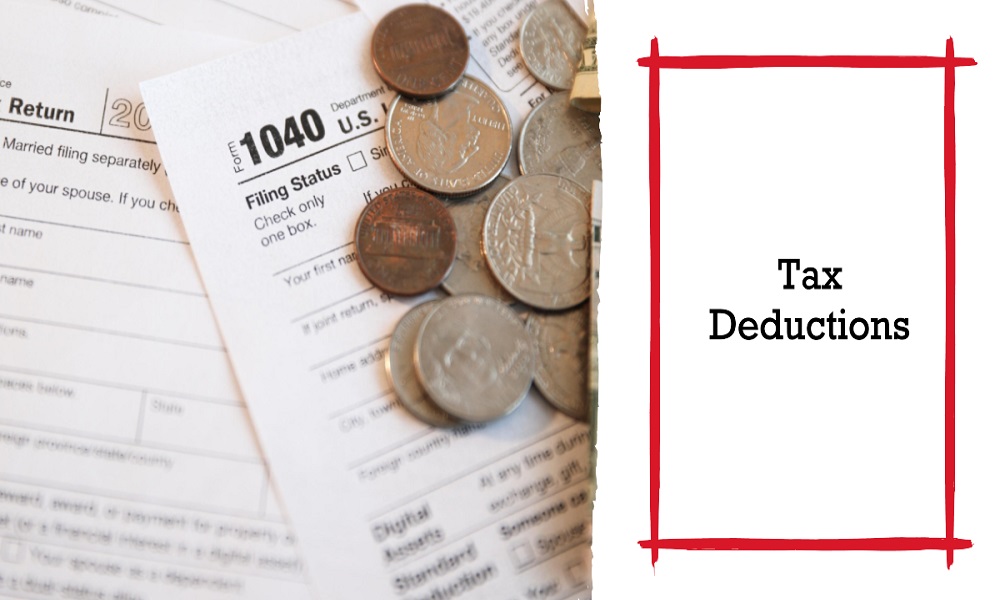
If you cannot show the expense in your records, you may not be able to claim it. A missing receipt or an expense that was never entered can mean a missed deduction and a higher taxable profit. Small cash purchases, home-office costs, and mileage are easy to overlook when the books are not kept up to date. That can leave the business paying tax on income after expenses that could have been claimed.
Errors That Lead to Penalties
Singapore uses a self-assessment tax system, so the company is responsible for getting its tax figures right. If the books are messy, mistakes can make their way into the return and may lead to penalties or a correction later. Once a return has been filed, fixing an error takes extra time. Keeping the records up to date makes it easier to file the right figures in the first place.
The Last-Minute Scramble
When the books are not kept up to date, tax time can turn into a scramble. Bank statements have to be found, invoices checked, and old transactions worked out. With so much being done at once, it is easier to enter a figure twice or put it in the wrong place. Keeping the books updated each month makes tax filing much less stressful.
GST Errors Are Costly
For GST-registered businesses, mistakes in the books can cause problems each quarter. GST returns rely on the records for sales and purchases, so an error in input or output tax can carry into the next return. If it is not spotted, the same mistake may be repeated again. Accurate records make each GST return easier to prepare and check.
Bigger Bills From Your Accountant
Messy records can cost you before the tax is even calculated. An accountant or tax agent may charge more when the books need to be sorted out first, since the extra work takes time. A routine filing can turn into a long cleanup job. When the books are kept properly, the accountant can spend more time on the actual tax work and advice.
Why Records Have to Stand Up
In Singapore, a company must keep proper records for at least five years, and IRAS can ask to see them. If you cannot support a claim with the right documents, it may be rejected, which can mean extra tax and penalties. Trying to find the missing proof later is much harder than keeping it with the records in the first place. Koh Management keeps monthly and quarterly books for small businesses, so the supporting records are in place when they are needed.
Tidy Books Before You Need Them
Do not wait until a tax deadline is close to sort out the books. Keep receipts as you go, check the bank records each month, and enter income and expenses while the details are still fresh. If you do not have time to keep up with it, get a bookkeeper to handle the work. A little work each month can save a lot of time and money at tax time.